

Finding a spider in your bathroom sink or watching one scurry across your living room floor is enough to make most homeowners uneasy. While spiders play an important role outdoors by controlling insect populations, few people want to share their indoor spaces with eight-legged roommates. The good news? Keeping spiders out of your house doesn't require harsh chemicals or expensive treatments. With a combination of smart prevention strategies and consistent habits, you can make your home far less appealing to these persistent arachnids.
How to Keep Spiders Out of Your House by Sealing Entry Points
Spiders are remarkably skilled at squeezing through tiny gaps—some can fit through openings as small as a quarter-inch. Your first line of defense is a thorough inspection of your home's exterior, followed by diligent sealing work.
Start with your doors and windows. Check weatherstripping for cracks or compression, and replace any that no longer forms a tight seal. Install door sweeps on exterior doors, including the one leading to your garage. For windows, ensure screens are intact without holes or loose frames, and consider adding fine mesh screening if your current material has gaps large enough to admit small spiders.
Move on to your foundation, siding, and utility penetrations. Use silicone caulk to seal gaps around pipes, cables, and vents entering your home. Pay special attention to areas where different building materials meet, such as where brick meets siding or where the foundation meets the frame. Don't overlook your attic and crawl space vents—these should be covered with fine mesh to allow airflow while blocking entry.
Chimneys, roof vents, and soffits deserve attention too. Install proper chimney caps and inspect roofline gaps annually. Remember that spiders often enter at ground level but can just as easily descend from above, especially species that prefer higher, quieter spaces.
Eliminate What Attracts Them Indoors
Spiders don't wander into your home by accident looking for shelter alone—they follow food sources. Their primary diet consists of other insects, so a spider problem often signals an underlying pest issue you may not have noticed.
Reduce indoor insects by addressing moisture problems promptly. Fix leaky faucets, running toilets, and condensation issues. Many insects thrive in humid environments, and by extension, so do the spiders that hunt them. Use dehumidifiers in basements, crawl spaces, and other damp areas to make these spaces less hospitable.
Outdoor lighting significantly influences spider activity near your home. Standard white lights attract flying insects, which in turn draw hunting spiders. Switch to yellow or sodium vapor bulbs for exterior fixtures, or better yet, use motion-activated lighting that stays off unless needed. Position lights away from doorways and windows when possible, so insects (and following spiders) congregate farther from entry points.
Your landscaping choices matter more than you might expect. Keep shrubs, tree branches, and dense vegetation trimmed back at least twelve inches from your home's exterior. Woodpiles, compost bins, and rock features should sit well away from foundations—these are prime spider habitats that can serve as launching points for indoor exploration.
Key Tips for Maintaining a Spider-Free Home
Consistent maintenance habits build on your structural and environmental improvements, creating lasting protection against spider intrusion.
Clean regularly and thoroughly. Vacuum not just floors but baseboards, corners, ceiling edges, and behind furniture where spiders build webs and lay eggs. Use a vacuum with a hose attachment to reach high corners and remove existing webs promptly—this eliminates shelter and discourages resettlement. Empty your vacuum canister or replace bags outside immediately after cleaning to prevent captured spiders from escaping back indoors.
Declutter storage areas aggressively. Cardboard boxes, piled newspapers, and unused clothing create ideal hiding spots. Switch to plastic storage containers with tight-fitting lids for attics, basements, and closets. The less harbor you provide, the fewer spiders you'll host.
Consider natural deterrents as supplementary measures. Essential oils like peppermint, tea tree, and eucalyptus have shown some repellent properties when applied regularly. Mix several drops with water in a spray bottle and apply to entry points, window sills, and known spider paths weekly. Diatomaceous earth sprinkled in dry, out-of-reach areas can also deter spiders without posing risks to pets or children.
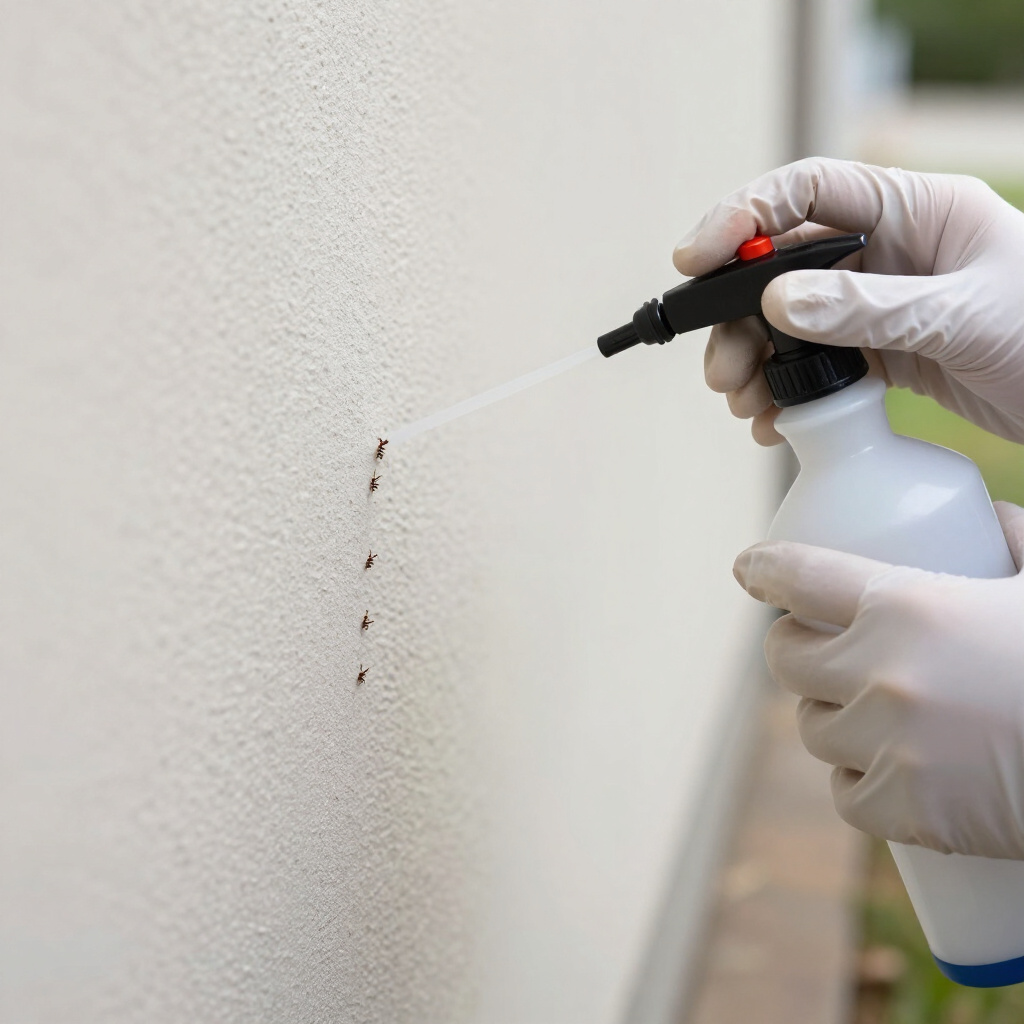
For persistent problems, professional perimeter treatments create an effective chemical barrier. Modern pest control applications target entry zones and foundation perimeters, reducing both spiders and their prey without extensive interior treatment. Schedule these seasonally, particularly in early spring when spider activity increases and in fall when cooling temperatures drive them toward warmer shelter.
Final Thoughts
Keeping spiders out of your house requires addressing the problem from multiple angles simultaneously. Seal their pathways, remove their food sources, modify your environment, and maintain vigilant cleaning habits. No single strategy provides complete protection, but together these approaches create a home that simply doesn't work for spiders.
Start with the most impactful steps: thorough sealing and moisture control. These foundational improvements deliver immediate results while making every subsequent effort more effective. Be patient and persistent—spider prevention is an ongoing practice rather than a one-time fix, but the comfort of knowing your home isn't shared with uninvited arachnids makes the effort worthwhile.