
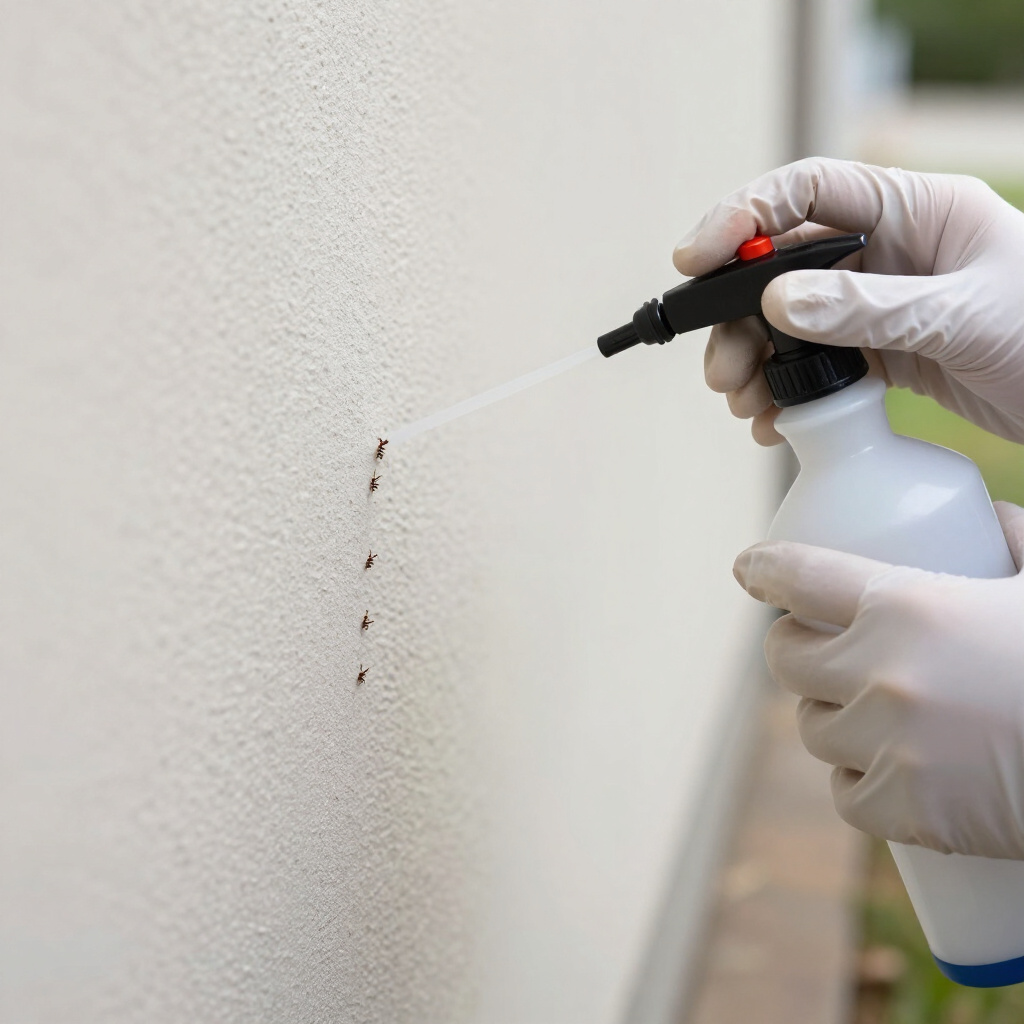

Few household frustrations are as universal as turning on the kitchen light at midnight to find a steady column of ants marching across your counter. These tiny invaders seem to appear overnight, exploiting the smallest crumbs and the tiniest entry points with remarkable teamwork. The good news? Ant problems are largely preventable when you understand what draws them inside and how to make your home genuinely unappealing. This guide walks you through practical, proven strategies to keep ants outside where they belong.
How to Prevent Ants From Invading Your Home Through Smart Sanitation
Ants are relentless foragers, and your kitchen represents the promised land if even trace food sources remain accessible. Prevention starts with denying them the meals that sustain their colonies.
Store all pantry staples in airtight glass, metal, or thick plastic containers. Cardboard boxes and thin plastic bags are no match for determined ants, who can chew through surprisingly tough materials to reach sugar, flour, and cereals. Pay special attention to pet food, which often sits in open bowls for hours and attracts ants in droves. Consider feeding pets on a schedule and removing uneaten portions promptly, or placing bowls in a shallow moat of soapy water.
Cleanliness extends beyond obvious messes. Wipe down counters, tables, and stovetops after every meal preparation, including those invisible sticky residues from honey, syrup, or juice. Sweep floors daily in eating areas, and don't forget the spaces beneath appliances where crumbs accumulate unnoticed. Your garbage needs attention too—use bins with tight-fitting lids, rinse recyclable containers before discarding, and take trash out regularly rather than letting it sit.
Moisture matters nearly as much as food. Fix leaky faucets, address condensation under sinks, and ensure bathrooms dry properly between uses. Some ant species specifically seek damp environments for nesting, so eliminating water sources closes another door to infestation.
Seal Entry Points Before Ants Find Them
A single ant colony can send thousands of workers through gaps barely visible to the human eye. Your home's exterior is the frontline defense, and thorough inspection reveals more vulnerabilities than most homeowners expect.
Start with a systematic walkaround during daylight, paying special attention to where utility lines enter your home—cable, plumbing, and electrical penetrations often leave generous gaps around pipes and wires. Seal these with silicone caulk or steel wool, materials ants cannot easily breach. Weatherstripping around doors and windows degrades over time; replace cracked or compressed strips to eliminate the thin spaces ants exploit.
Foundation cracks deserve immediate attention with appropriate masonry repair materials. Check window screens for tears and ensure they fit frames snugly. Even chimneys and roof vents can provide aerial access for certain ant species, so don't neglect upper-level inspection if you've experienced recurring problems.
Landscaping choices significantly impact ant pressure against your foundation. Maintain a gap between soil or mulch and your home's siding—at least six inches of gravel or bare perimeter creates a hostile crossing zone. Trim tree branches and shrubs that touch or overhang your roof or walls, eliminating the highways ants use to bypass ground-level defenses.
Key Tips for Long-Term Ant Prevention
Effective ant prevention combines immediate action with ongoing habits that keep your home less attractive than competing environments.
Monitor for early warning signs before trails establish. A lone scout ant exploring your counter isn't harmless—it's reconnaissance. Kill scouts promptly and immediately clean the area with vinegar or soapy water to destroy the pheromone trail that guides followers. Where you see one scout, others will soon follow if the message gets through.
Use natural deterrents strategically around known entry points. Cinnamon, peppermint oil, coffee grounds, and diatomaceous earth create barriers many ants avoid crossing. These aren't replacements for sealing and sanitation, but they add valuable supplemental protection. Reapply after rain or cleaning, as their effectiveness diminishes with exposure.
Address outdoor ant colonies near your foundation before they seek indoor expansion. Boiling water poured directly into visible mound entrances can destroy small colonies without chemicals. For larger or persistent outdoor populations, targeted bait applications allow workers to carry poison back to the queen, eliminating the entire colony rather than just visible workers.
Know when professional intervention becomes necessary. If you're seeing ants consistently despite thorough prevention efforts, or if you notice wood damage suggesting carpenter ants, DIY approaches may be insufficient. Professional pest control technicians can identify species accurately, locate hidden nests, and apply targeted treatments that resolve entrenched problems safely.
Final Thoughts
Ant prevention isn't about achieving perfection—it's about tipping the scales so your home becomes more trouble than it's worth to invade. The strategies here work together: sanitation removes the rewards, sealing removes the access, and vigilance catches problems before they escalate. Consistency matters more than intensity; a few minutes of daily attention to crumbs and moisture prevents the hours of frustration that follow an established infestation. Start with the highest-impact changes in your kitchen and perimeter, then build habits that maintain your defenses year-round. Your future self, enjoying midnight snacks in peace, will thank you.