

There's nothing quite like the sinking feeling of spotting a mouse dart across your kitchen floor or waking up to mysterious bites you can't explain. Household pests are more than just unwelcome guests—they can damage your property, contaminate your food, and even pose health risks to your family. The good news? Most infestations are entirely preventable with the right knowledge and consistent habits. Whether you're dealing with a current problem or want to stay ahead of the curve, understanding which pests are most likely to invade your home and how to keep them out is your best defense.
Most Common Household Pests and How to Prevent Them
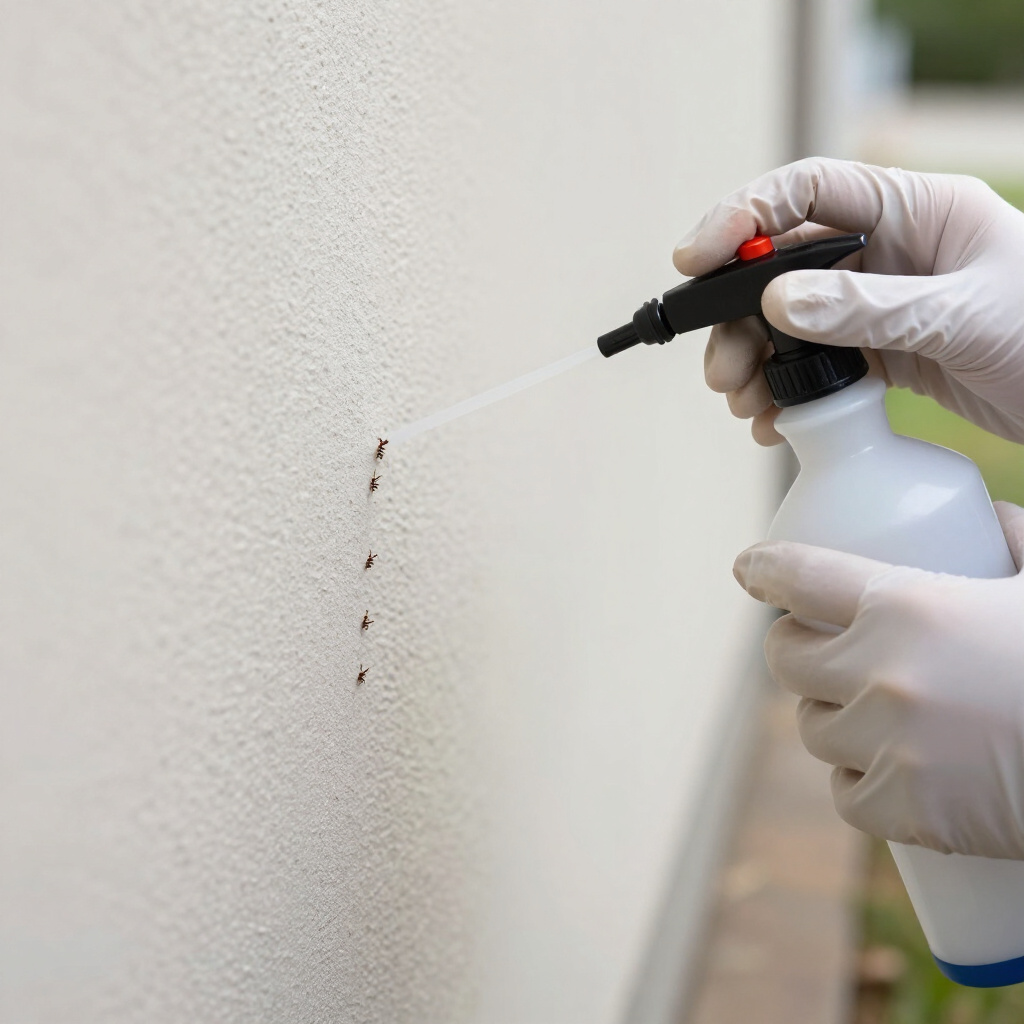
Every region has its troublemakers, but certain pests show up in homes across the country with remarkable consistency. Ants top the list, marching in seemingly endless lines toward any crumb or sticky residue left behind. These tiny invaders are experts at finding entry points you'd never notice—gaps around windows, cracks in foundations, even the space beneath your door. Once established, ant colonies can be frustratingly persistent without proper intervention.
Cockroaches rank among the most dreaded household pests for good reason. These nocturnal survivors thrive in warm, humid environments with access to food and water. Kitchens and bathrooms are their preferred territories, and they reproduce rapidly once comfortable. Beyond the visceral disgust factor, roaches can trigger allergies and asthma, particularly in children, making prevention especially important for families.
Rodents—mice and rats—present a more serious threat due to their destructive capabilities. They gnaw through electrical wiring, insulation, and even structural elements to create nests and pathways. Their droppings contaminate surfaces and food stores, while their constant chewing creates fire hazards and costly repair bills. Unlike insects, rodents are mammals with keen survival instincts, making them particularly challenging to eliminate once they've settled in.
Termites operate silently and destructively, often causing thousands in damage before homeowners notice any sign of their presence. These wood-consuming insects target structural lumber, flooring, and furniture, hollowing out vital supports while leaving a thin veneer of intact surface material. By the time you spot mud tubes or sagging floors, substantial damage has typically already occurred.
Bed bugs have made a dramatic resurgence in recent decades, hitchhiking into homes via luggage, used furniture, and clothing. These blood-feeding pests hide in mattress seams, box springs, and cracks near sleeping areas, emerging at night to feed. Their bites cause itchy welts, and the psychological toll of an infestation—sleep disruption, anxiety, social stigma—can be as burdensome as the physical inconvenience.
Spiders, while often beneficial predators of other insects, become pests when they establish dense populations indoors. Species like house spiders and cellar spiders create unsightly webs throughout living spaces, while venomous varieties such as black widows and brown recluses pose genuine health risks that warrant professional attention.
Prevention Strategies That Actually Work
Effective pest prevention rests on three foundational principles: exclusion, sanitation, and moisture control. Exclusion means making your home physically difficult to enter. Inspect your foundation annually for cracks, seal gaps around utility penetrations with appropriate materials, install door sweeps, and repair damaged window screens. Even openings as small as a dime can admit mice, while ants exploit much smaller breaches.
Sanitation eliminates the food sources that attract and sustain pests. Store dry goods in airtight containers rather than original packaging. Clean kitchen surfaces daily, paying special attention to crumbs beneath appliances and cabinet corners. Take garbage out regularly and use bins with tight-fitting lids. Don't overlook pet food, which attracts rodents and ants with equal enthusiasm—feed pets at scheduled times and store kibble securely.
Moisture control addresses another critical attractant. Fix leaky faucets, running toilets, and dripping pipes promptly. Ensure bathrooms and kitchens have adequate ventilation. Address damp basements and crawl spaces through dehumidification or proper drainage solutions. Many pests, including cockroaches, silverfish, and certain ant species, require consistent moisture to survive—deprive them of it, and your home becomes far less hospitable.
Your home's exterior deserves equal attention. Trim tree branches and shrubs away from rooflines and walls, eliminating bridges that rodents and ants use to access higher entry points. Maintain a tidy perimeter by clearing leaf litter, stacked firewood, and other debris that harbages pests. Position firewood at least twenty feet from your foundation and elevate it off the ground. Ensure gutters drain properly to prevent moisture accumulation near your foundation.
For termite-specific prevention, maintain clearance between soil and wooden structural elements. Divert irrigation and downspouts away from the foundation. Schedule professional inspections every one to two years, as early detection prevents catastrophic damage. Consider preventative soil treatments if your area has high termite pressure.
Bed bug prevention requires vigilance during travel. Inspect hotel room mattresses and headboards before settling in. Keep luggage elevated on racks rather than the floor or bed. Upon returning home, launder all clothing on high heat and vacuum luggage thoroughly before storing. Exercise caution with secondhand furniture—inspect carefully before bringing items indoors.
Key Tips for Long-Term Success
Consistency matters more than intensity when preventing household pests. A thorough monthly inspection of vulnerable areas takes minutes but catches problems before they escalate. Check under sinks, behind appliances, in basement corners, and attic spaces for droppings, shed skins, mud tubes, or other telltale signs.
Resist the temptation to rely solely on over-the-counter sprays when you spot occasional invaders. These products often scatter pests deeper into hiding rather than addressing root causes. Integrated pest management—combining physical exclusion, habitat modification, and targeted treatment when necessary—delivers superior long-term results with less chemical exposure.
Know when professional help becomes necessary. Recurring infestations despite your best efforts, signs of structural damage, or any indication of termite activity warrant expert evaluation. Licensed pest control professionals possess specialized tools, products, and training to resolve stubborn problems safely and effectively. They can also identify contributing conditions you might overlook.
Document your prevention efforts and any pest sightings. Notes about timing, location, and pest type help professionals diagnose patterns and tailor solutions. Seasonal trends matter too—ant activity typically surges in spring, rodents seek indoor shelter as temperatures drop in autumn, and termite swarms occur in warm, moist conditions.
Final Thoughts
Understanding the most common household pests and how to prevent them empowers you to protect your home proactively rather than reacting to crises. The investment of time in sealing entry points, maintaining cleanliness, and controlling moisture pays dividends through avoided damage, preserved property value, and peace of mind. Remember that prevention is an ongoing practice, not a one-time project—seasonal maintenance and consistent habits form your strongest defense. When prevention falls short, prompt professional intervention prevents small issues from becoming major headaches. Your home should be your sanctuary, not a habitat for unwanted creatures. With the right approach, it can remain exactly that.