
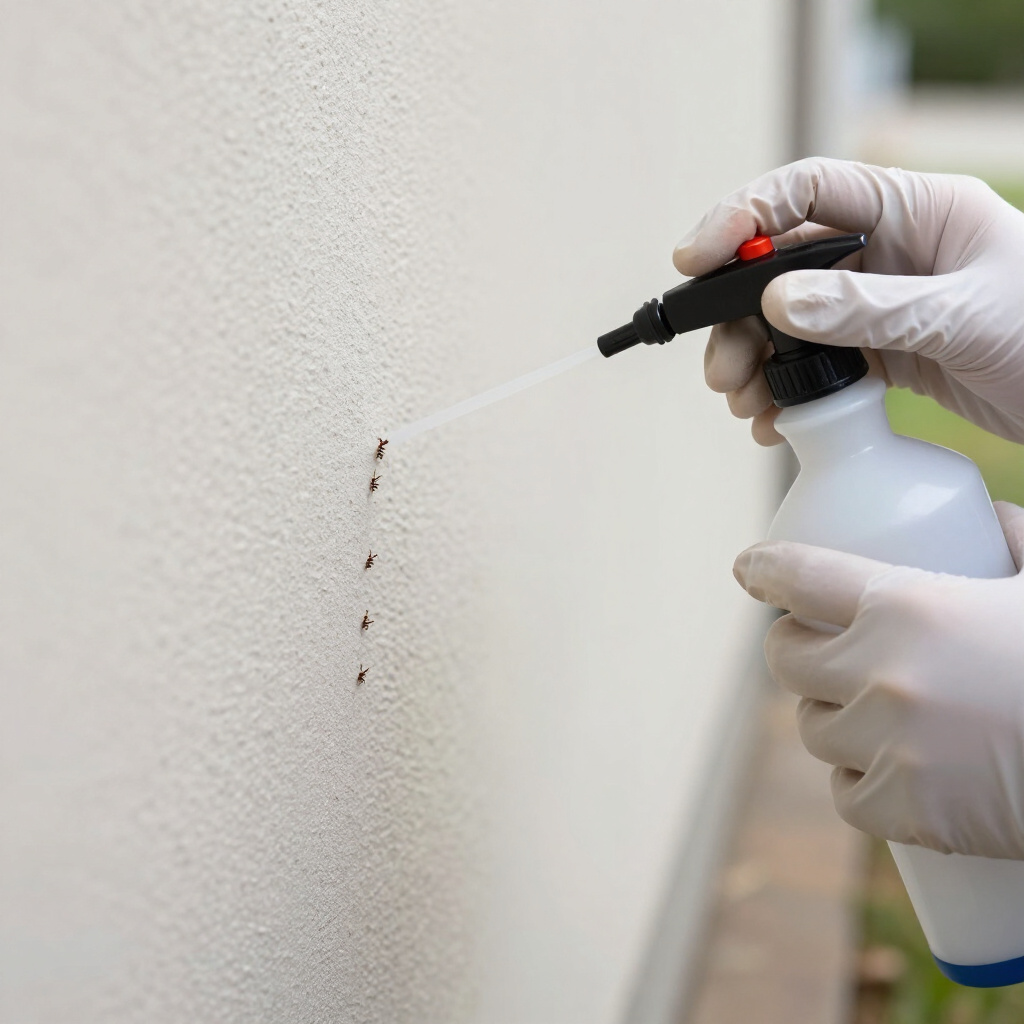
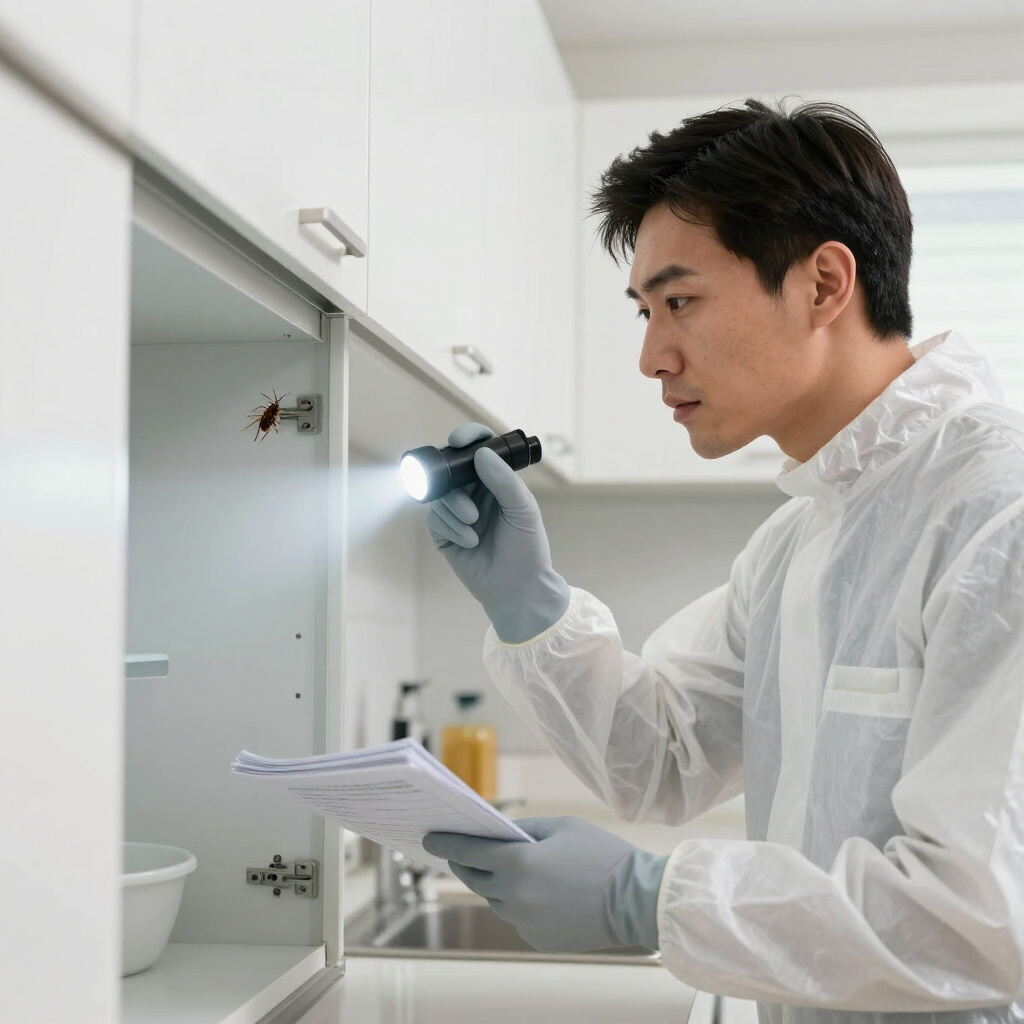
When ants march across your kitchen counter or aphids cluster on your tomato plants, reaching for harsh chemicals isn't your only option. Natural pest control methods have earned their place in modern home and garden management—not because they're trendy, but because they genuinely work when applied correctly. Whether you're protecting your family from unnecessary toxin exposure, preserving beneficial insects in your garden, or simply prefer a more thoughtful approach to pest management, these proven strategies deliver real results without the environmental trade-offs.
Natural Pest Control Starts With Prevention and Physical Barriers
The most effective natural pest control happens before pests become a problem. Start by eliminating what attracts them in the first place. In your home, this means storing dry goods in airtight glass or metal containers, fixing leaky faucets promptly, and keeping countertops free of food residue. Outdoors, remove standing water where mosquitoes breed, clear leaf litter that shelters ticks and rodents, and maintain healthy soil that supports vigorous, pest-resistant plants. Physical barriers represent one of the oldest and most reliable natural pest control techniques. Row covers made from lightweight fabric protect vegetable crops from flying insects while allowing sunlight and water through. Copper tape around raised beds deters slugs and snails through a harmless electrical reaction. Fine mesh screens on windows and doors block invaders without chemicals. Even something as simple as a moat of water beneath potted plant stands stops ants from farming aphids on your indoor greenery. These methods require minimal maintenance and work indefinitely.
Biological Controls and Beneficial Insects
Nature already provides pest control specialists—you just need to recruit and retain them. Ladybugs, lacewings, and parasitic wasps consume aphids, mites, and caterpillars at impressive rates. Rather than buying and releasing these insects (which often disperse), focus on creating habitat that attracts and sustains them. Plant diverse flowering species like yarrow, dill, fennel, and cosmos to provide nectar and pollen. Avoid broad-spectrum insecticides that kill indiscriminately, including many organic options like pyrethrin. Nematodes offer another powerful biological tool. These microscopic roundworms target specific soil-dwelling pests—grubs, cutworms, and root weevils—without affecting earthworms, plants, or mammals. Apply them to moist soil in early morning or evening, and they'll patrol your garden for weeks. Bacillus thuringiensis (Bt), a naturally occurring soil bacterium, controls caterpillars and mosquito larvae when sprayed on foliage or standing water. It breaks down quickly and won't harm pollinators that visit treated plants after application.
Targeted Natural Repellents and Substances
When prevention and biological controls need reinforcement, several natural substances deliver precise results. Diatomaceous earth, made from fossilized aquatic organisms, abrades the waxy coatings of crawling insects like ants, fleas, and cockroaches, causing fatal dehydration. Apply a thin, visible layer where pests travel, and reapply after rain or heavy dew. Food-grade diatomaceous earth is safe around pets and children, though the dust can irritate lungs during application. For soft-bodied insects, insecticidal soap made from potassium salts of fatty acids disrupts cell membranes on contact. It works against aphids, whiteflies, and spider mites but requires thorough coverage and repeated applications. Neem oil, derived from the neem tree, acts as both repellent and growth disruptor for feeding insects. Its systemic properties mean treated plants become unpalatable to pests, though apply it in evening to protect pollinators. In the home, simple solutions often suffice. A line of cinnamon, coffee grounds, or cucumber peels deters ants from entry points. Peppermint essential oil diluted in water, sprayed along baseboards and windowsills, repels spiders and mice with its intense scent. Vinegar solutions clean ant trails and erase the pheromone markers that guide colony members to food sources.
Key Tips for Success With Natural Methods
Natural pest control rewards patience and precision more than brute force. Identify your pest correctly before treating—what eliminates aphids won't touch fungus gnats, and misidentification leads to wasted effort. Apply treatments at the right life stage; many natural options work best on young, soft-bodied insects rather than mature adults. Monitor consistently, as natural methods often require more frequent application than synthetic alternatives, though their safety profile allows this without cumulative risk. Combine approaches for comprehensive protection. Physical barriers prevent new arrivals, biological controls reduce existing populations, and targeted natural substances address persistent problems. Document what works in your specific environment, as regional pest pressures and microclimates vary considerably. Finally, tolerate modest pest presence—some damage indicates a functioning ecosystem, and zero tolerance often drives unnecessary chemical use.
Final Thoughts
Natural pest control methods that actually work share common traits: they target specific pests rather than indiscriminate destruction, they integrate with broader ecological health, and they demand engagement rather than passive reliance. The investment in learning your local pest cycles, building beneficial insect habitat, and applying treatments thoughtfully pays dividends beyond pest reduction. You'll develop resilient systems that become more effective over time, reduce long-term costs, and create safer spaces for children, pets, and wildlife. The shift from chemical dependency to intelligent natural management isn't a sacrifice—it's an upgrade to more sustainable, Knowledgeable stewardship of your home and garden.