
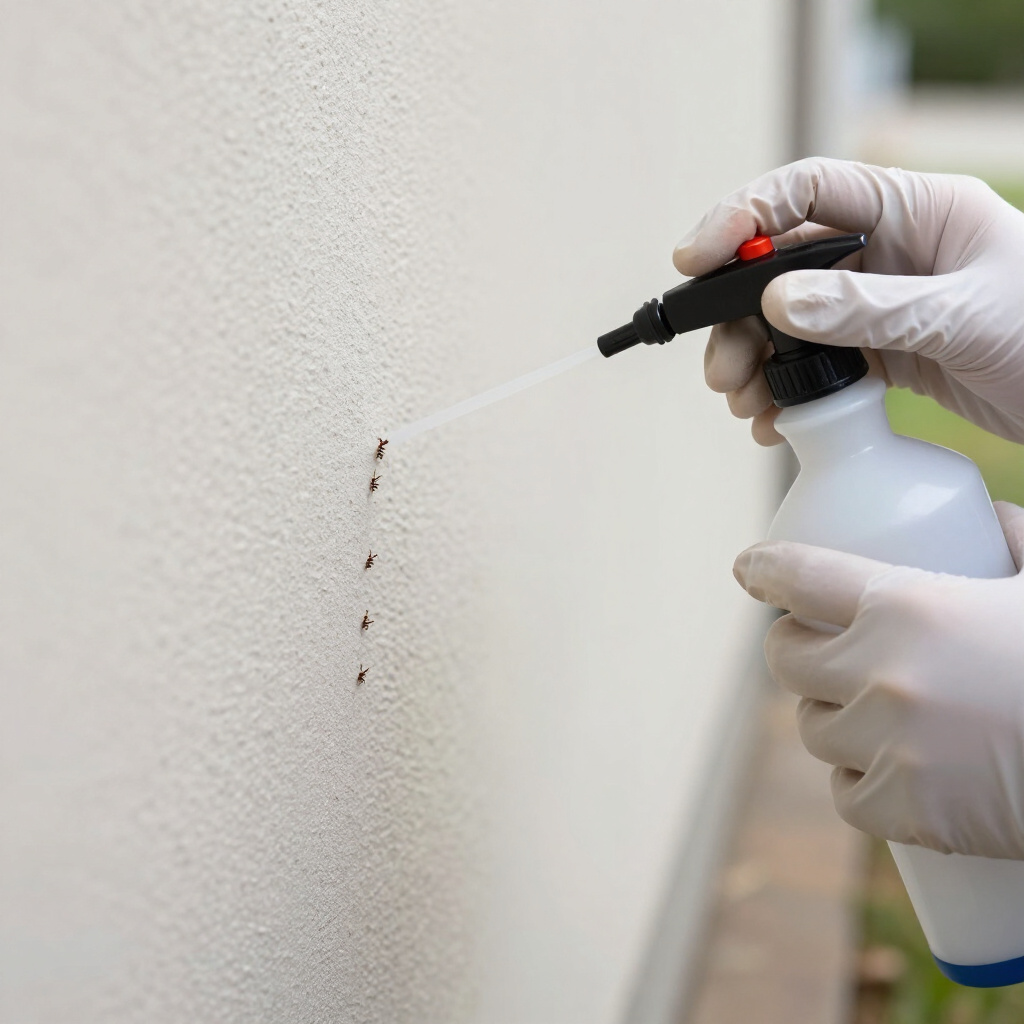

Every season brings something new to your garden—blooming flowers in spring, lush greenery in summer, vibrant leaves in fall, and quiet frost in winter. Unfortunately, each season also brings its own lineup of unwanted visitors. From ants marching across your kitchen counter in July to mice seeking shelter in your attic come December, pests operate on their own calendar. The good news? With a proactive approach and a solid seasonal pest control checklist, you can stay one step ahead of these intruders year-round. This guide breaks down exactly what homeowners should do each season to protect their homes, families, and peace of mind.
Spring: Awakening and Entry Points
As temperatures rise and nature reawakens, pests emerge from their winter hiding spots with one thing on their minds: food and shelter. Spring is arguably the most critical time to implement your seasonal pest control checklist, because the actions you take now set the tone for the entire year.
Start with a thorough exterior inspection. Walk around your home and examine the foundation, siding, roofline, and utility penetrations for gaps, cracks, or damaged screens. Even openings as small as a quarter-inch can invite ants, spiders, and other crawling insects inside. Seal these entry points with appropriate caulking, steel wool, or weatherstripping.
Next, address moisture issues that accumulated during winter. Clean gutters and downspouts to prevent water from pooling near your foundation. Trim shrubs and tree branches back at least 12 inches from your home's exterior—overhanging branches act as highways for rodents and insects. Finally, refresh your landscaping by removing leaf litter, fallen branches, and other organic debris where pests breed and hide.
Inside, focus on your kitchen and pantry. Discard expired goods, store dry foods in airtight containers, and clean under appliances where crumbs accumulate. If you notice early ant trails or emerging flies, address them promptly before colonies establish themselves.
Summer: Peak Activity and Vigilance
Summer represents peak pest activity, with warm temperatures accelerating reproduction cycles and extending foraging hours. Mosquitoes, wasps, ticks, and relentless ant colonies can quickly turn outdoor enjoyment into constant swatting and itching.
Your seasonal pest control checklist for summer should prioritize outdoor management. Eliminate standing water weekly—check birdbaths, flowerpot saucers, clogged gutters, and kiddie pools, as these are prime mosquito breeding grounds. Maintain your lawn by keeping grass trimmed and removing overgrown vegetation where ticks and fleas thrive.
Inspect and repair window screens, door sweeps, and chimney caps. Many homeowners open windows for summer breezes without realizing they've created wide-open invitations. Consider installing yellow "bug lights" for outdoor fixtures, which attract fewer flying insects than standard white bulbs.
For outdoor gatherings, keep food covered and clean up promptly. Wasps and yellow jackets are particularly aggressive in late summer when their natural food sources decline. If you discover a nest on your property, exercise extreme caution—some species attack in swarms when threatened. Professional removal is often the safest option for nests near doorways, decks, or play areas.
Don't neglect your basement and crawl spaces during summer humidity. Run dehumidifiers to maintain levels below 60%, and watch for silverfish, centipedes, and millipedes that gravitate toward damp environments.
Fall: The Great Migration Indoors
As daylight shortens and temperatures drop, pests begin their desperate search for winter refuge. Fall is your last opportunity to fortify defenses before cold weather drives rodents, spiders, boxelder bugs, and stink bugs indoors.
Conduct your most aggressive exterior sealing during this season. Replace worn weatherstripping around doors and windows, install door sweeps, and check for gaps around pipes, cables, and dryer vents. Pay special attention to the garage—an often-overlooked entry point that provides rodents direct access to your home's interior walls.
Rake and remove fallen leaves promptly. Leaf piles against your foundation create ideal harborage for spiders, millipedes, and overwintering insects. Store firewood at least 20 feet from your home and elevate it off the ground to prevent termite and carpenter ant attraction.
Inside, inspect your attic for signs of rodent activity: droppings, gnawed insulation, or scratching sounds at dusk. Install traps or call a professional at the first indication—mice reproduce rapidly, and a small problem becomes a major infestation within weeks. Clean and organize storage areas, using plastic bins instead of cardboard boxes that pests can chew through and nest within.
Winter: Monitoring and Maintenance
Winter might seem like a reprieve, but pests haven't disappeared—they've simply moved inside with you. Your seasonal pest control checklist shifts from prevention to vigilance during these months.
Continue monitoring for rodent activity, as mice and rats remain active year-round indoors. Check under sinks, behind appliances, and in basement corners for droppings or gnaw marks. Listen for nocturnal scratching in walls or ceilings. Maintain your trapping program, and remember that seeing one mouse typically indicates several more hiding nearby.
Inspect stored holiday decorations before bringing them indoors, and again when packing them away. Cardboard boxes in attics, garages, and basements attract silverfish and carpet beetles. Consider switching to sealed plastic containers for long-term storage.
Keep your home's interior dry and well-ventilated. Condensation on windows, pipe sweating, and humid basements sustain pests even in winter. Run bathroom exhaust fans, use kitchen range hoods, and monitor humidity levels throughout your home.
Finally, use winter's slower pace to plan ahead. Research pest control professionals in your area, read reviews, and schedule your spring inspection before their busy season begins. Having an established relationship with a trusted provider means faster response times when urgent issues arise.
Key Tips for Year-Round Success
Beyond seasonal tasks, certain habits provide continuous protection regardless of the calendar month. Consistency truly separates pest-free homes from those fighting recurring battles.
Practice impeccable sanitation. Store all food, including pet food and birdseed, in sealed containers. Take garbage out regularly and use bins with tight-fitting lids. Clean spills immediately and avoid leaving dirty dishes overnight. Even small lapses send signals that your home offers reliable resources.
Maintain your property's exterior structure. Repair roof damage, replace rotting wood, and fix leaking faucets promptly. Pests exploit structural weaknesses, and moisture damage creates irresistible conditions for termites, carpenter ants, and wood-boring beetles.
Know when to call professionals. DIY methods work for minor, isolated issues, but established infestations, structural pests like termites, and potentially dangerous species such as wasps or venomous spiders warrant expert intervention. Professionals possess specialized equipment, regulated products, and training that homeowners cannot replicate.
Document your efforts. Keep a simple log of inspections, treatments, and observations. This record helps identify patterns, track what works, and provide valuable information if you ever need professional service.
Final Thoughts
Pest control isn't a one-time event—it's an ongoing commitment that adapts with the seasons. By following a comprehensive seasonal pest control checklist, you transform from reactive victim to proactive protector of your home. Spring sealing, summer vigilance, fall fortification, and winter monitoring create a continuous defensive cycle that pests struggle to penetrate.
The investment of time and attention pays dividends beyond mere nuisance avoidance. Proper pest management protects your family's health, preserves your home's structural integrity, and eliminates the stress and expense of major infestations. Start your seasonal checklist today, and enjoy the confidence that comes from knowing your home remains truly yours—no matter what pests the season brings.