
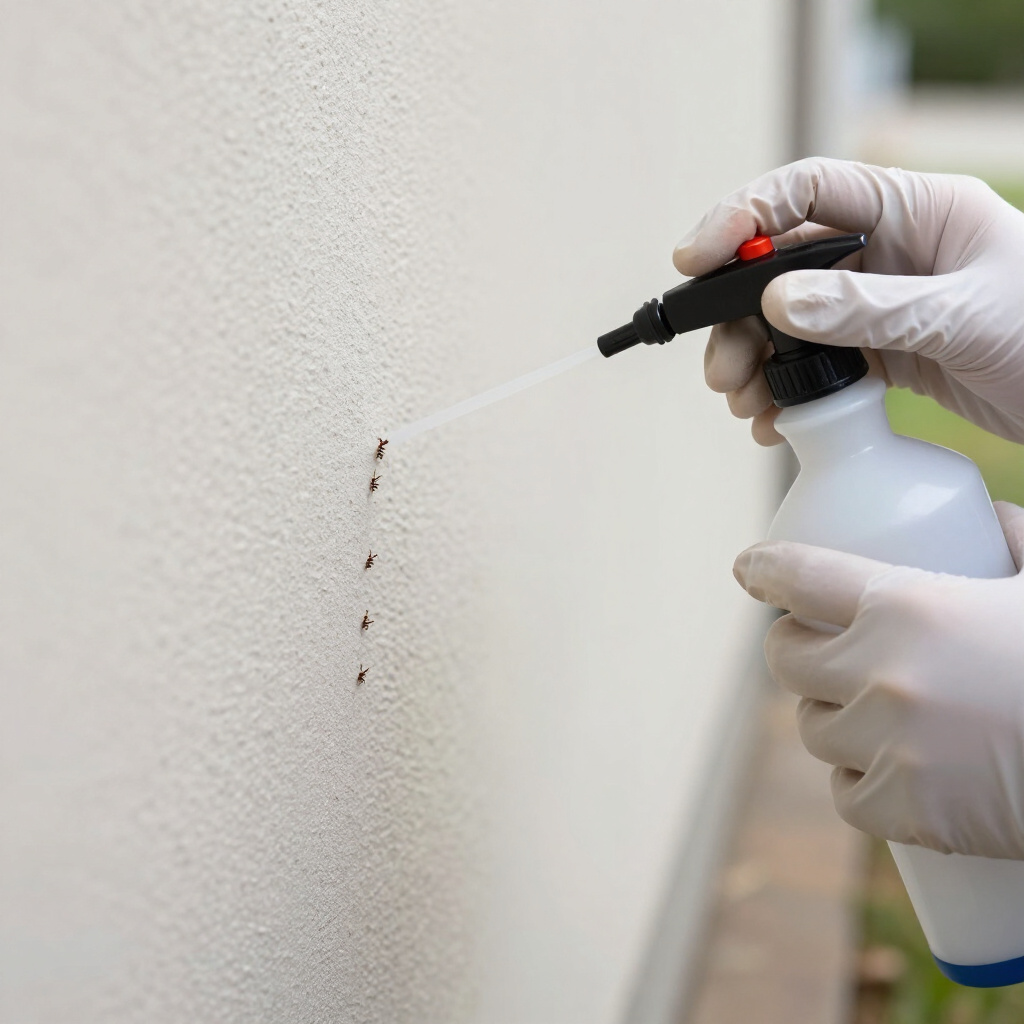

There's something unsettling about spotting a single ant on your kitchen counter—or worse, hearing the telltale scratching inside your walls at 2 a.m. Your first instinct might be to grab a can of spray from under the sink and handle it yourself. Sometimes that works. Other times, you're just treating the symptoms while the real problem grows behind the scenes. Knowing when to call a pest control professional can save you money, protect your health, and spare you from a full-blown infestation that turns your home into a battleground.
When to Call a Pest Control Professional: The Warning Signs
Certain situations demand expert intervention, and recognizing them early makes all the difference. If you're seeing pests during daylight hours when they typically hide, that's a red flag. Rodents, cockroaches, and many insects are nocturnal by nature. Spotting them in broad daylight often means their population has grown so large that competition for hiding spots has pushed them out—translation: you've got more than a minor problem.
Recurring sightings despite your DIY efforts are another clear signal. That ant trail you wiped away Monday? If it's back Wednesday with reinforcements, you're dealing with a colony, not wanderers. Sprays kill the visible workers but rarely reach the queen or nest. A pest control professional has the tools and knowledge to identify where colonies establish themselves—inside walls, beneath foundations, or in crawl spaces you'd never think to check.
Structural damage also warrants immediate expert attention. Chewed wires, gnawed wood, hollow-sounding baseboards, or mysterious holes in drywall indicate active rodent or termite activity. These pests don't just annoy; they compromise your home's integrity and create fire hazards. The longer you wait, the more extensive—and expensive—the repairs become.
Health Risks That Require Immediate Action
Some pest situations transcend inconvenience and become genuine health emergencies. Cockroaches trigger asthma attacks and spread salmonella, E. coli, and other pathogens through their droppings and body parts. If anyone in your household has respiratory conditions, young children, or elderly family members, even a modest cockroach presence demands professional treatment.
Rodents present equally serious concerns. They contaminate food stores with urine and feces, and they carry hantavirus, leptospirosis, and other diseases. Their constant gnawing creates fire risks when they target electrical wiring. Finding droppings, hearing scampering in ceilings, or discovering nesting materials means it's time to call a pest control professional without delay.
Bed bugs represent another category where DIY approaches typically fail and professional expertise becomes essential. These resilient insects hide in mattress seams, furniture crevices, and even electrical outlets. Over-the-counter treatments often scatter them deeper into hiding, making eventual eradication harder and more costly. Their bites cause allergic reactions in many people, and the psychological toll of sleeping in an infested bed shouldn't be underestimated.
Situations Where DIY Methods Fall Short
Home improvement stores stock impressive-looking pest control products, but marketing promises often exceed reality. Store-bought termite treatments, for instance, create a false sense of security while the colony continues consuming your home's wooden structure. Termites cause damage slowly but relentlessly, and by the time you notice obvious signs, they've typically been active for years. Professional termite specialists use monitoring systems, bait stations, and targeted treatments that address the entire colony—not just the few insects you might spot.
Wildlife intrusions present similar challenges. Squirrels in your attic, raccoons under your deck, or bats in your eaves require specialized knowledge for safe, legal, and effective removal. These animals carry rabies and other diseases, and many species are protected by law. Improper handling can result in bites, legal penalties, or orphaned young that create worse problems. A licensed pest control professional understands local regulations and humane removal techniques that resolve the immediate issue while preventing re-entry.
Recurring seasonal problems also indicate that professional assessment is needed. If carpenter ants appear every spring or mice invade every autumn despite your preventive efforts, there's an underlying access point or attractant you're missing. Experts identify these vulnerabilities—foundation cracks, improper drainage, overhanging tree branches, or food storage practices—and develop comprehensive prevention strategies.
Key Tips for Choosing and Working With a Professional
When you've determined that expert help is necessary, selecting the right provider matters. Seek licensed, insured companies with solid local reputations. Ask about their treatment philosophies—do they emphasize integrated pest management, which combines multiple approaches with minimal chemical use? Request detailed explanations of proposed treatments, expected outcomes, and any preparation steps you need to take.
Be wary of high-pressure sales tactics or quotes given without inspection. Reputable professionals inspect before quoting because effective treatment depends on accurate identification and situation assessment. Get multiple opinions for significant infestations, and don't automatically choose the lowest bid—quality matters when your home and health are at stake.
After treatment, follow your technician's recommendations diligently. They might advise sealing entry points, adjusting landscaping, modifying food storage, or scheduling follow-up visits. Prevention is always more affordable than repeated eradication, and your cooperation maximizes the treatment's effectiveness.
Final Thoughts
There's no shame in calling for backup. Homeownership involves countless maintenance challenges, and pest management requires specialized knowledge that most people simply don't possess. The key is recognizing when a situation has exceeded your expertise and acting promptly rather than hoping the problem resolves itself.
Trust your instincts. Multiple sightings, visible damage, health symptoms, or simply that nagging worry that something's not right—these are all valid reasons to reach out. A qualified pest control professional brings peace of mind along with effective solutions, turning your home back into the sanctuary it should be. When pests threaten that security, expert help isn't an expense; it's an investment in protecting what matters most.