
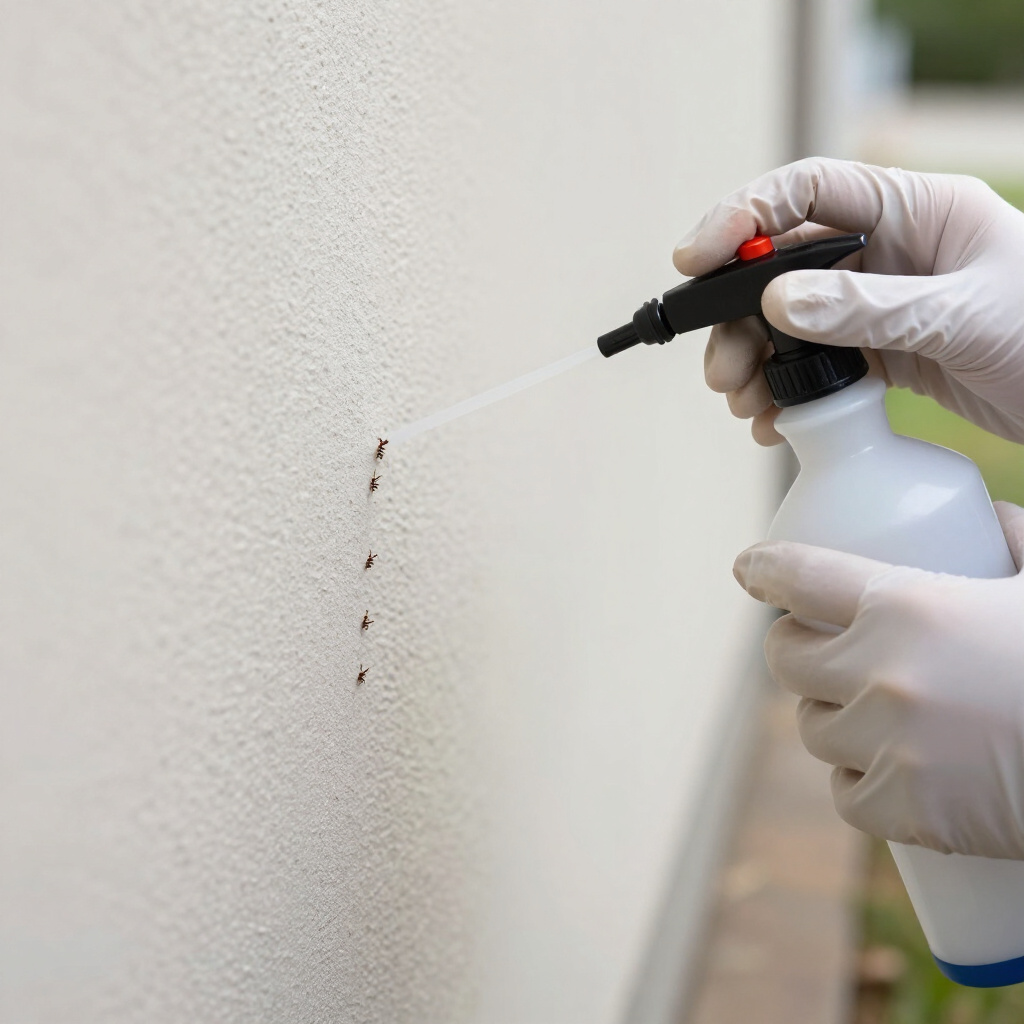

Pest Control Services in East Bethel, MN
East Bethel sits on the northern edge of Anoka County, where the landscape shifts between developed neighborhoods, lakeshore properties, and stretches of woodland and wetland. This mix of habitats makes effective pest management a year-round concern for homeowners and businesses alike. From the cabins along Coon Lake to newer subdivisions near Viking Boulevard, pest pressures vary significantly based on proximity to water, tree cover, and seasonal conditions.
Our technicians understand the specific challenges that come with East Bethel's geography. Properties near the Carlos Avery Wildlife Management Area or along the Rum River corridor often see elevated activity from rodents, ants, and stinging insects drawn to the natural buffer zones. Meanwhile, lakeside homes contend with moisture-loving pests and seasonal invaders that thrive in Minnesota's humid summers and frigid winters.
Seasonal Pest Patterns in East Bethel
Spring brings carpenter ants emerging from overwintering sites in decaying trees and wooden structures. These ants don't consume wood but excavate galleries through it, causing structural damage that often goes unnoticed until colonies mature. Summer peaks with yellow jackets, wasps, and mosquitoes—particularly problematic near standing water and densely vegetated areas. Fall triggers rodent migration indoors as temperatures drop, with mice and rats seeking entry through foundation gaps, garage door seals, and utility penetrations. Winter doesn't eliminate pest activity; instead, it concentrates existing infestations indoors where warmth and food sources sustain colonies through the cold months.
We tailor treatment protocols to each season and property type. Our integrated approach combines targeted exterior barriers, interior monitoring, habitat modification recommendations, and ongoing maintenance rather than relying solely on reactive chemical applications.
Common Pest Issues for Anoka County Properties
East Bethel residents frequently encounter several persistent pests. Asian lady beetles and box elder bugs cluster on sun-facing exterior walls in autumn, eventually finding their way inside through window gaps and attic vents. Spiders—including cellar spiders, wolf spiders, and occasional brown recluses—establish webs in basements, crawl spaces, and outbuildings. Cluster flies overwinter in wall voids, emerging on warm winter days and creating nuisance swarms. Voles damage lawns and ornamental plantings with surface runway systems, particularly in properties bordering fields or woodland edges.
Wood-destroying organisms require particular vigilance. Beyond carpenter ants, powderpost beetles and old house borers can compromise structural timbers in older homes. Our inspections identify active infestations, previous damage, and conducive conditions like wood-soil contact, excessive moisture, or inadequate ventilation in crawl spaces and attics.
Frequently Asked Questions About Pest Control in East Bethel
What pests are most common in East Bethel compared to other Anoka County cities?
East Bethel's northern location and extensive natural areas create higher pressure from wildlife-related pests. Residents see more vole damage to lawns, higher carpenter ant activity from surrounding woodlands, and increased wasp nesting due to available prey species. The city's lakeshore properties also experience more mosquito and spider issues than more urbanized southern Anoka County communities. Rodent pressure tends to spike in fall when field mice migrate from agricultural and undeveloped lands into residential areas.
How does living near Carlos Avery or the Rum River affect pest control needs?
Properties adjacent to large natural areas face continuous pest pressure from surrounding habitat. Wildlife corridors allow rodents, raccoons, and skunks to access yards regularly. Flying insects from these areas can quickly re-infest after treatment if exterior barriers aren't maintained. We recommend more frequent perimeter monitoring for these locations, often quarterly rather than biannual service, and emphasize exclusion work to seal potential entry points before migration seasons.
Are lake homes in East Bethel harder to protect from pests?
Lakeshore properties present distinct challenges. Higher humidity levels support mold and mildew that attract fungus-feeding insects. Damp crawl spaces and boathouses create ideal conditions for millipedes, centipedes, and springtails. Mosquito breeding occurs in shoreline vegetation and any standing water. Our lake property protocols include moisture management recommendations, targeted breeding site treatment, and specialized foundation treatments that account for high water tables and seasonal flooding potential.
When should East Bethel homeowners schedule preventive pest control?
Timing depends on your specific pest history and property characteristics. Generally, early spring (March-April) treatment prevents carpenter ant establishment and addresses overwintering pests before they reproduce. Late summer (August-September) applications target wasps, yellow jackets, and fall invaders before they seek indoor shelter. Homes with previous rodent issues benefit from fall exclusion work in September-October. New construction or recently purchased homes should receive initial inspection and preventive treatment regardless of season.
Is pest control safe for pets and wildlife in a rural setting like East Bethel?
Our treatment methods prioritize targeted application over broad-spectrum broadcasting. We use baits and monitoring stations placed in protected locations inaccessible to pets and non-target wildlife. Exterior barrier treatments focus on foundation perimeters and entry points rather than blanket yard spraying. For properties with poultry, hobby livestock, or active wildlife feeding, we adjust product selection and placement accordingly. All materials are EPA-registered and applied according to labeled rates that minimize environmental impact while maintaining effectiveness.