

How to Choose a Pest Control Professional in Forest Lake
Finding the right pest control provider in Forest Lake means looking beyond generic promises. Anoka County's mix of lake country, wooded lots, and residential development creates unique pest pressures you want a technician to understand firsthand.
Start with proper licensing through the Minnesota Department of Agriculture. Any company applying pesticides commercially must hold valid certification—don't hesitate to ask for license numbers. Insurance matters too, particularly general liability and workers' comp, since treatments often involve accessing crawl spaces, attics, and exterior perimeters around your property.
Local experience counts in Forest Lake specifically. Professionals familiar with the area know how the chain of lakes affects mosquito breeding cycles, where carpenter ants typically nest in mature neighborhoods near the water, and how seasonal cabin closures create mouse entry opportunities. Ask how long they've worked in northern Anoka County and whether they service properties year-round or only seasonally.
Request integrated pest management (IPM) approaches rather than blanket chemical applications. Quality providers inspect first, identify the pest and conditions attracting it, then recommend targeted solutions. This matters around Forest Lake's lakeshore properties where runoff concerns make thoughtful treatment selection essential.
Finally, check reviews from actual Forest Lake addresses, not just broad metro ratings. Consistent feedback about timeliness, follow-through on guarantees, and communication style reveals more than any sales pitch.
What to Expect from Pest Control Services in Forest Lake
Your first service typically begins with a thorough inspection. A technician examines your home's exterior foundation, entry points, moisture conditions, and landscaping features that attract pests. Inside, they check basements, crawl spaces, kitchens, and attic access points. In Forest Lake, this often reveals issues specific to lake-area homes: elevated humidity supporting silverfish, woodpiles near structures harboring rodents, or dock and boathouse connections creating ant highways.
After inspection, you'll receive a treatment plan explaining what pests were found, recommended actions, products proposed, and any preparation steps needed. Reputable companies explain why they're using specific methods and what results timeline to expect.
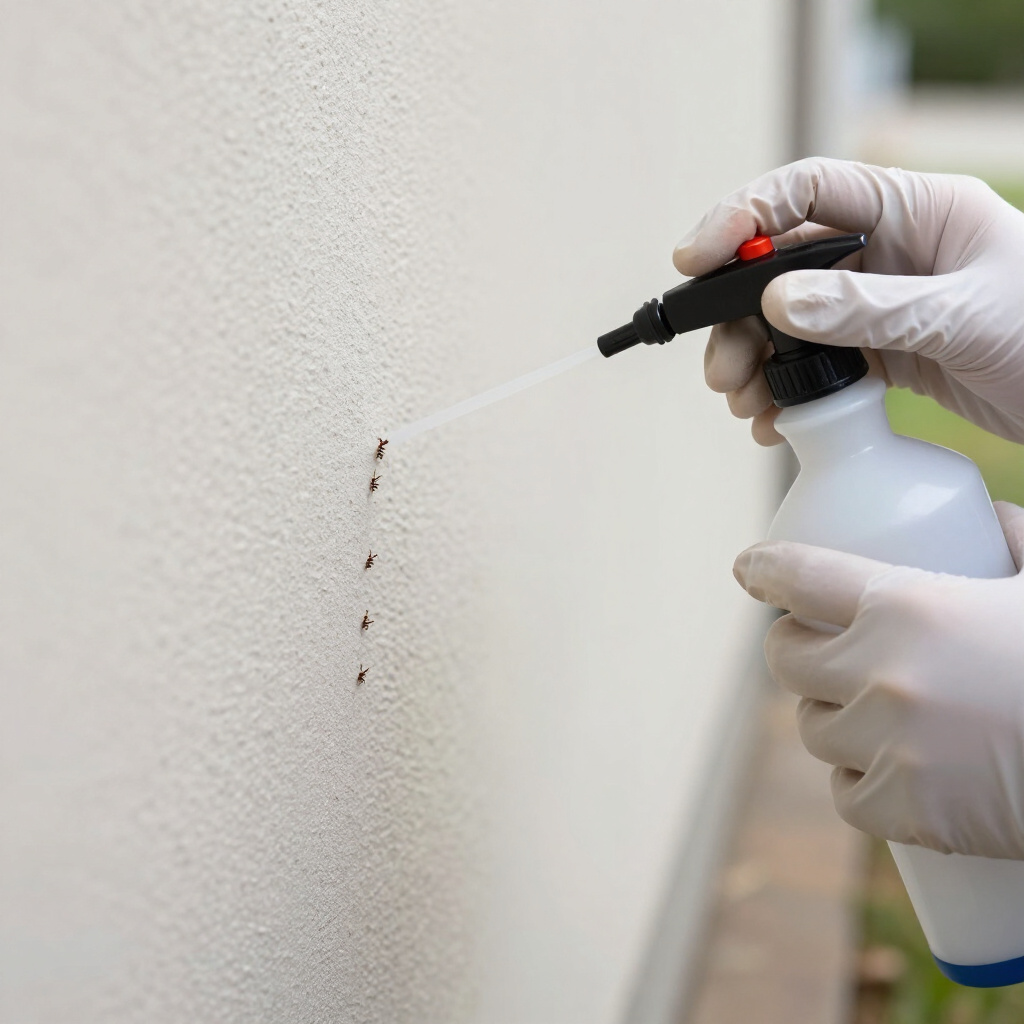
Treatment implementation varies by pest. Exterior perimeter barriers protect against crawling insects. Bait systems target ants, roaches, or rodents with minimal environmental spread. Direct nest treatments address active infestations. Moisture remediation recommendations often accompany Forest Lake services given the area's groundwater and lake influence.
Follow-up scheduling depends on pest type and season. Many Forest Lake homeowners benefit from quarterly maintenance given the extended warm season and harsh winters that drive pests indoors. Your provider should clearly state what's covered under ongoing plans versus warrantied retreatments.
Available Pest Control Services in Forest Lake
Residential pest control forms the core of most local offerings, protecting single-family homes, townhomes, and lake properties throughout the Forest Lake area. Services address common invaders including ants, spiders, wasps, mice, and seasonal mosquitoes.
Commercial pest management supports restaurants, retail, medical offices, and industrial facilities along Highway 61 and throughout the business district. These programs emphasize documentation for health inspections, discreet service timing, and prevention-focused protocols.
Specialized treatments target specific challenges prevalent near Forest Lake's waterways:
- Mosquito and tick reduction: Yard treatments and breeding source management for properties near lakes, wetlands, and wooded edges
- Carpenter ant control: Nest location and elimination in moisture-prone structures common to mature lake neighborhoods
- Rodent exclusion: Sealing entry points and population reduction for homes and seasonal cabins
- Stinging insect removal: Safe nest elimination for wasps, hornets, and bees around docks, eaves, and outdoor living spaces
- Bed bug treatments: Heat or chemical remediation for residential and hospitality settings
- Moisture pest management: Addressing silverfish, centipedes, and springtails in damp basements and crawl spaces
Wildlife management services handle bats, squirrels, raccoons, and other animals requiring humane removal and exclusion techniques compliant with Minnesota regulations.
Seasonal and year-round plans let you match service frequency to your property's needs and your budget. Many Forest Lake residents choose spring startup treatments followed by summer mosquito reduction and fall rodent prevention, with optional winter interior monitoring.
Frequently Asked Questions
How often should Forest Lake homes receive pest control service?
Most properties benefit from quarterly treatments, though lake-adjacent homes with heavy mosquito pressure or mature wooded lots may need monthly service during peak season. Homes with current infestations often start with more frequent visits before transitioning to maintenance schedules.
Are pest treatments safe for pets and lake water?
Reputable providers use EPA-registered products applied according to label directions, which includes keeping pets away during application and drying periods. Near water, technicians select appropriate formulations and maintain buffer zones to prevent runoff into Forest Lake's waterways. Always inform your provider about pets, wells, or lake access points on your property.
Why do mice enter Forest Lake homes in fall?
As temperatures drop, field mice seek shelter in structures offering warmth, food odors, and entry gaps as small as a dime. Forest Lake's rural-urban interface means abundant field populations near homes, and cabins closed for winter become especially vulnerable without proper sealing and monitoring.
Can I treat carpenter ants myself?
Over-the-counter sprays often scatter carpenter ant colonies, making professional treatment more difficult and expensive later. These ants nest in moist wood and structural voids, requiring identification of nest locations and appropriate baits or non-repellent treatments. Professional inspection prevents misidentification with less damaging ant species and addresses underlying moisture issues attracting them.