

Pest Control Services in St. Paul, MN
St. Paul homeowners face distinct pest challenges throughout the year. From the harsh Minnesota winters that drive rodents indoors to humid summers that breed mosquitoes along the Mississippi River, effective pest management requires region-specific expertise. Our Ramsey County pest control services address the unique conditions found in neighborhoods from Summit-University to Dayton's Bluff.
Common pests in St. Paul include mice, rats, carpenter ants, wasps, boxelder bugs, and Asian lady beetles. The city's older housing stock—many homes built before 1950—provides numerous entry points for rodents seeking shelter. Meanwhile, properties near Como Lake, Lake Phalen, and the river corridors experience elevated mosquito and tick pressure during warmer months.
We provide comprehensive treatment plans that account for St. Paul's seasonal pest cycles. Spring services focus on ant prevention and wasp nest elimination before colonies expand. Summer programs emphasize mosquito reduction and tick management for families using the city's extensive park system. Fall treatments target boxelder bugs and Asian lady beetles before they overwinter in wall voids. Winter services concentrate on rodent exclusion and interior trapping when mice and rats are most desperate for warmth.
Commercial properties in downtown St. Paul, along University Avenue, and in the Midway district receive specialized attention. Restaurants near the Xcel Energy Center, medical facilities around Regions Hospital, and warehouses in the industrial corridors each present distinct regulatory and operational requirements. Our technicians understand Minnesota Department of Health guidelines and work discreetly to maintain your business reputation.
Frequently Asked Questions About Pest Control in St. Paul
What pests are most common in St. Paul homes?
Mice and rats top the list, particularly during Minnesota's extended heating season from October through April. Carpenter ants cause significant structural damage in neighborhoods with mature trees like Macalester-Groveland and Highland Park. Boxelder bugs and Asian lady beetles swarm south- and west-facing walls each autumn. Wasps nest in eaves and soffits throughout summer, while mosquitoes thrive near the Mississippi River floodplain and city lakes.
How does St. Paul's climate affect pest activity?
The dramatic temperature swings characteristic of Ramsey County create intense pressure for pests to find stable environments. Subzero January temperatures force rodents through gaps as small as a dime. Rapid spring thaws can flood basements and trigger ant swarming. Hot, humid July conditions accelerate mosquito breeding cycles to as short as four days. Our treatment calendars account for these compressed seasonal transitions that St. Paul experiences.
Are historic homes in St. Paul harder to protect from pests?
Yes. Victorian and early Craftsman homes in Cathedral Hill, Irvine Park, and Crocus Hill often have stone foundations with deteriorating mortar, balloon framing that allows vertical rodent travel, and minimal wall insulation that leaves voids for insect harborage. Pest control in these properties requires careful inspection techniques that avoid damaging original plaster, woodwork, or architectural features while still achieving complete treatment coverage.
What should I expect during a pest control visit?
Initial appointments include thorough interior and exterior inspection, identification of entry points and conducive conditions, and targeted treatment application. For rodent issues, we install tamper-resistant stations and seal accessible gaps. Follow-up visits monitor activity and adjust strategies. We provide documentation for rental properties and homeowner associations common in St. Paul's duplex and condo markets. Most residential treatments use products safe for children and pets once dry.
How quickly can pest problems be resolved in St. Paul?
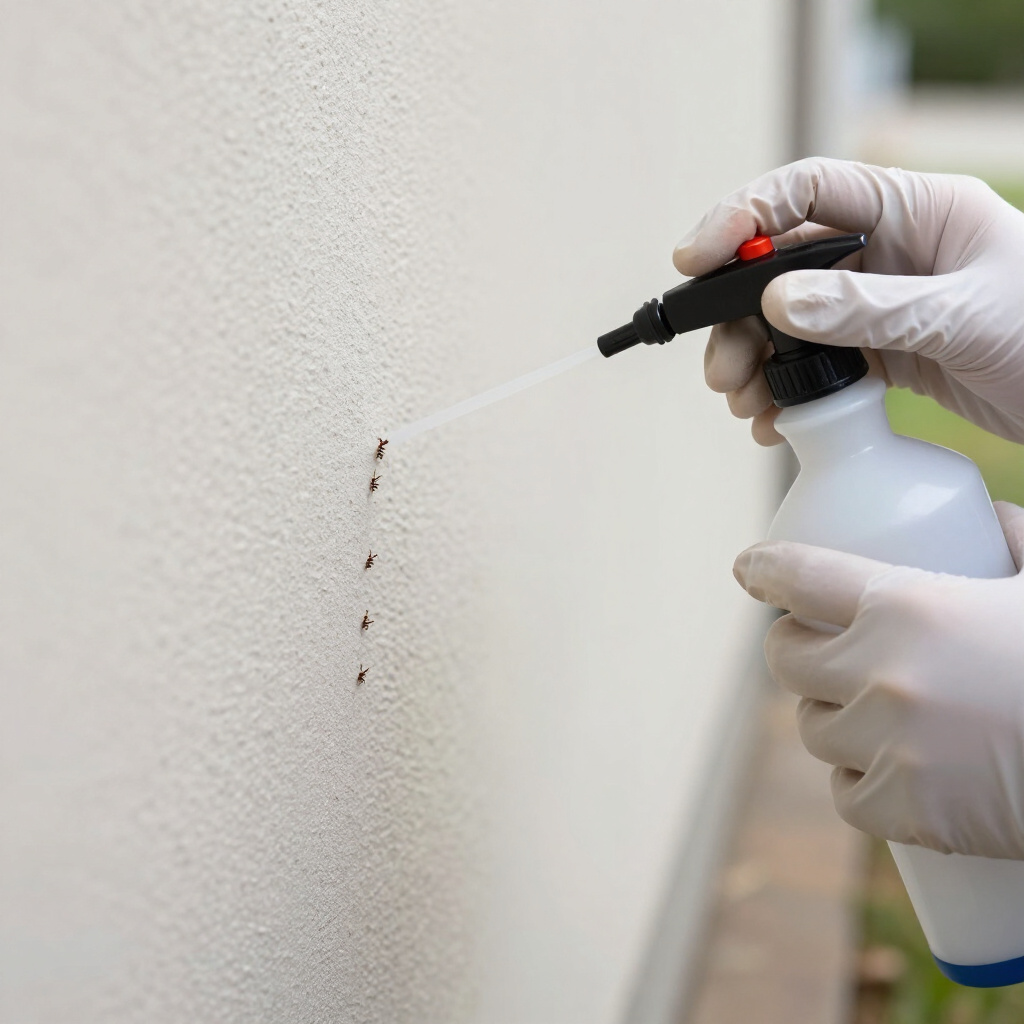
Single-pest issues like wasp nests or visible ant trails often see significant reduction within 24-48 hours. Rodent infestations typically require 2-4 weeks for complete elimination as we remove established populations and secure against new entry. Seasonal programs for ongoing mosquito or tick management show progressive improvement across multiple visits. Emergency same-day service is available for severe situations including bed bug confirmations or aggressive yellow jacket nests.