
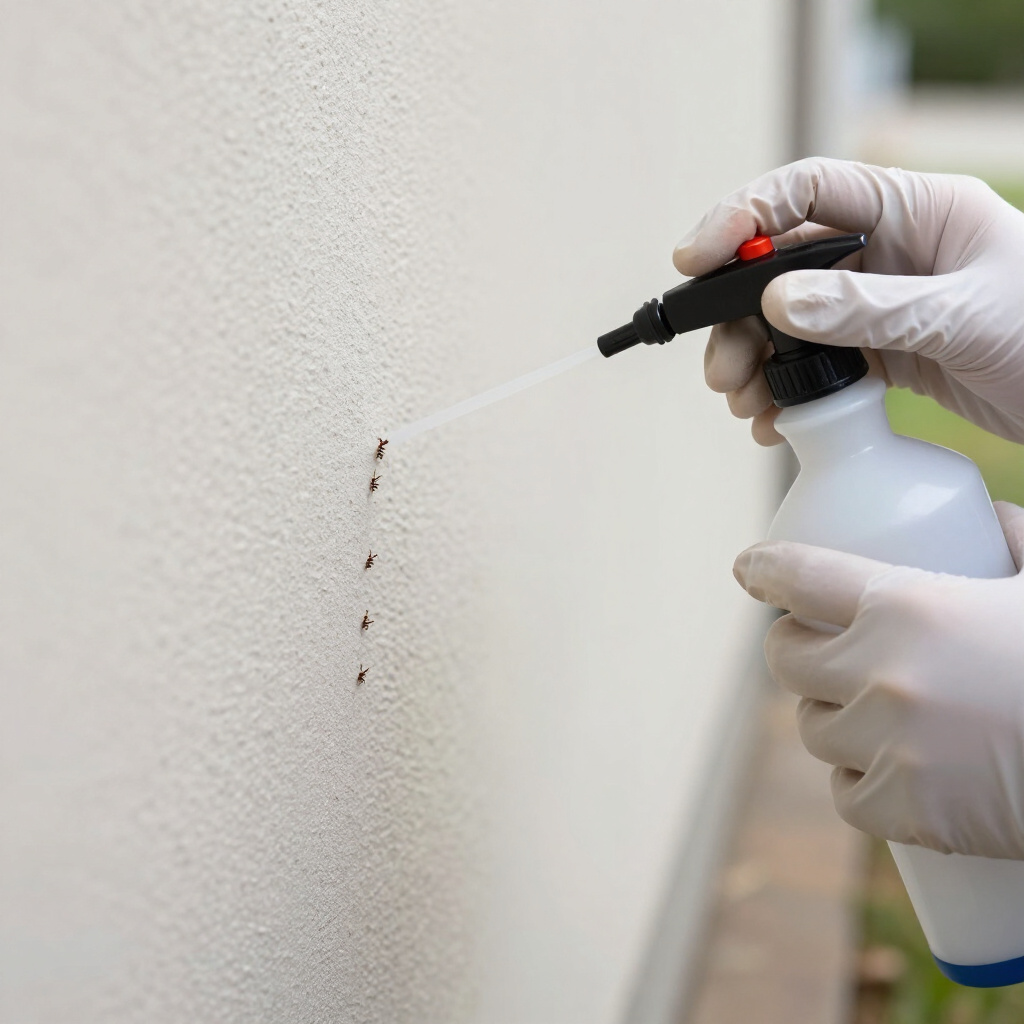

Pest Control Services in Virginia, MN
Virginia sits at the heart of Minnesota's Mesabi Iron Range, where the mix of dense forests, former mining lands, and the surrounding waters of Silver Lake and Lake Vermilion create conditions that attract a wide variety of pests. Residents and business owners throughout St. Louis County know that effective pest management requires understanding the unique challenges of this northern Minnesota environment.
The area's cold winters and humid summers drive pests to seek shelter in homes, cabins, and commercial buildings. From historic properties in downtown Virginia to newer developments near the Mesabi Trail, each structure faces distinct pest pressures based on age, construction, and proximity to wooded areas.
Common Pest Challenges in Virginia
Carpenter ants rank among the most destructive pests in the region. These large black ants tunnel through moist or decaying wood, causing significant structural damage to cabins, garages, and homes. Virginia's abundant rainfall and snowmelt create ideal conditions for carpenter ant colonies to thrive, particularly in properties with wood-to-soil contact or water damage.
Mice and voles present year-round concerns. As temperatures drop across the Iron Range, field mice migrate indoors seeking warmth and food. These rodents contaminate food supplies, damage insulation, and chew through electrical wiring—creating both health risks and fire hazards. Voles damage lawns and landscaping by tunneling through root systems.
Boxelder bugs and Asian lady beetles cluster on south-facing walls during autumn, eventually finding their way inside through gaps and cracks. While not structurally damaging, their presence creates significant nuisance for homeowners. Stink bugs have also become increasingly common in recent years.
Wasps and hornets build nests in eaves, sheds, and wooded areas throughout Virginia. The short growing season means colonies peak in late summer, creating hazards for outdoor activities around Lake Vermilion and area campgrounds.
Seasonal Pest Patterns on the Iron Range
Spring brings overwintering pests back to activity. Cluster flies emerge from wall voids, and ants begin foraging as ground thaws. Early moisture encourages millipede and centipede activity in basements and crawl spaces.
Summer months see peak mosquito and tick populations. The Boundary Waters region and surrounding forests harbor deer ticks carrying Lyme disease, making professional tick control particularly important for families with pets or children who spend time outdoors.
Fall triggers the most intensive pest movement indoors. As nighttime temperatures drop below 50 degrees, rodents, insects, and spiders actively seek harborage. Sealing entry points and establishing barrier treatments during this window proves critical for winter prevention.
Winter does not eliminate pest problems. Mice remain active in wall voids and attics. Pine sawyer beetles and other wood-boring insects may emerge from firewood brought indoors. Bed bug incidents also increase during holiday travel seasons.
Commercial Pest Control for Virginia Businesses
Restaurants, hotels, and retail establishments along U.S. Highway 53 and throughout downtown Virginia require vigilant pest management to maintain health department compliance. Food service facilities face particular scrutiny, with rodent and insect activity risking inspection violations and reputational damage.
Healthcare facilities, schools, and municipal buildings throughout St. Louis County need integrated pest management approaches that minimize chemical applications while maintaining effective control. This balanced methodology protects vulnerable populations while addressing pest concerns comprehensively.
Integrated Pest Management for Northern Minnesota
Effective pest control in Virginia emphasizes inspection, exclusion, and targeted treatment rather than routine pesticide applications. This approach begins with identifying conducive conditions—moisture problems, harborage areas, and entry points—then addressing these underlying factors.
Exclusion work proves especially valuable in this climate. Sealing gaps around foundations, utility penetrations, and roof intersections prevents pest entry more effectively than ongoing chemical treatments. Proper ventilation in crawl spaces and attics reduces moisture that attracts carpenter ants and other wood-destroying organisms.
When treatment becomes necessary, professionals select products and application methods appropriate for the specific pest, location, and environmental conditions. This targeted strategy protects the lakes, wetlands, and forests that define the Virginia area while achieving effective control.
Frequently Asked Questions
What pests are most common in Virginia, Minnesota homes?
Carpenter ants, mice, and voles top the list for Virginia residents due to the area's forests and seasonal climate extremes. Boxelder bugs, Asian lady beetles, and wasps also create significant seasonal problems. The proximity to Lake Vermilion and numerous wetlands contributes to mosquito and tick pressure during summer months.
How does the cold Iron Range winter affect pest activity?
While outdoor pest activity diminishes, winter actually intensifies indoor infestations. Mice and voles actively seek warmth and food inside structures. Overwintering insects like cluster flies and boxelder bugs may emerge on warm days. Additionally, firewood brought indoors can introduce spiders, beetles, and wood-boring insects. Preventive fall treatments and exclusion work provide the best winter protection.
When should Virginia homeowners schedule preventive pest control?
Early spring and late summer represent the two most critical windows for Virginia properties. Spring treatments address emerging ant colonies and overwintering pests, while late summer and early fall applications create barriers before rodents and insects move indoors. Properties with history of carpenter ant or mouse problems benefit from year-round monitoring programs.