

Common Pest Control Problems in North Branch
North Branch sits at the intersection of developed neighborhoods and the lakes, forests, and farmland that define Chisago County. That mix creates pest pressure you won't find in denser urban areas. Homeowners here deal with seasonal invasions that follow the region's harsh freeze-thaw cycle, plus year-round issues tied to the area's abundant water features and wooded lots.
Ants dominate spring and summer complaints. Pavement ants push through foundation cracks, while carpenter ants exploit moisture-damaged wood in older homes near North Branch's mature tree canopy. The humidity around Sunrise River and local wetlands accelerates decay, making carpenter ant colonies particularly aggressive here.
Box elder bugs and Asian lady beetles swarm south-facing walls each fall, squeezing into wall voids and attics to overwinter. North Branch's older housing stock—common in neighborhoods developed during the 1970s and 1980s—often lacks the tight exterior sealing that keeps these aggregating insects out.
Mice and voles thrive in the transition zones between yards and the agricultural fields, prairies, and woods surrounding town. When corn comes down in autumn or snow depth increases, field mice migrate toward structures. Voles tunnel through turf, damaging lawns and creating runways that attract predators like snakes.
Wasps and hornets build aerial and ground nests from June through September. The undeveloped lots and wooded edges throughout North Branch provide ideal nesting habitat, and encounters escalate when nests go unnoticed until mowing season or outdoor projects disturb them.
Spiders—particularly wolf spiders and house-dwelling cobweb species—proliferate in basements and garages where humidity stays elevated through summer months.
How We Help North Branch Homeowners
Our approach starts with understanding how North Branch's specific geography affects your property. We inspect for moisture intrusion points that attract carpenter ants, identify exterior entry routes mice use from adjacent fields, and map wasp activity patterns tied to your lot's sun exposure and vegetation.
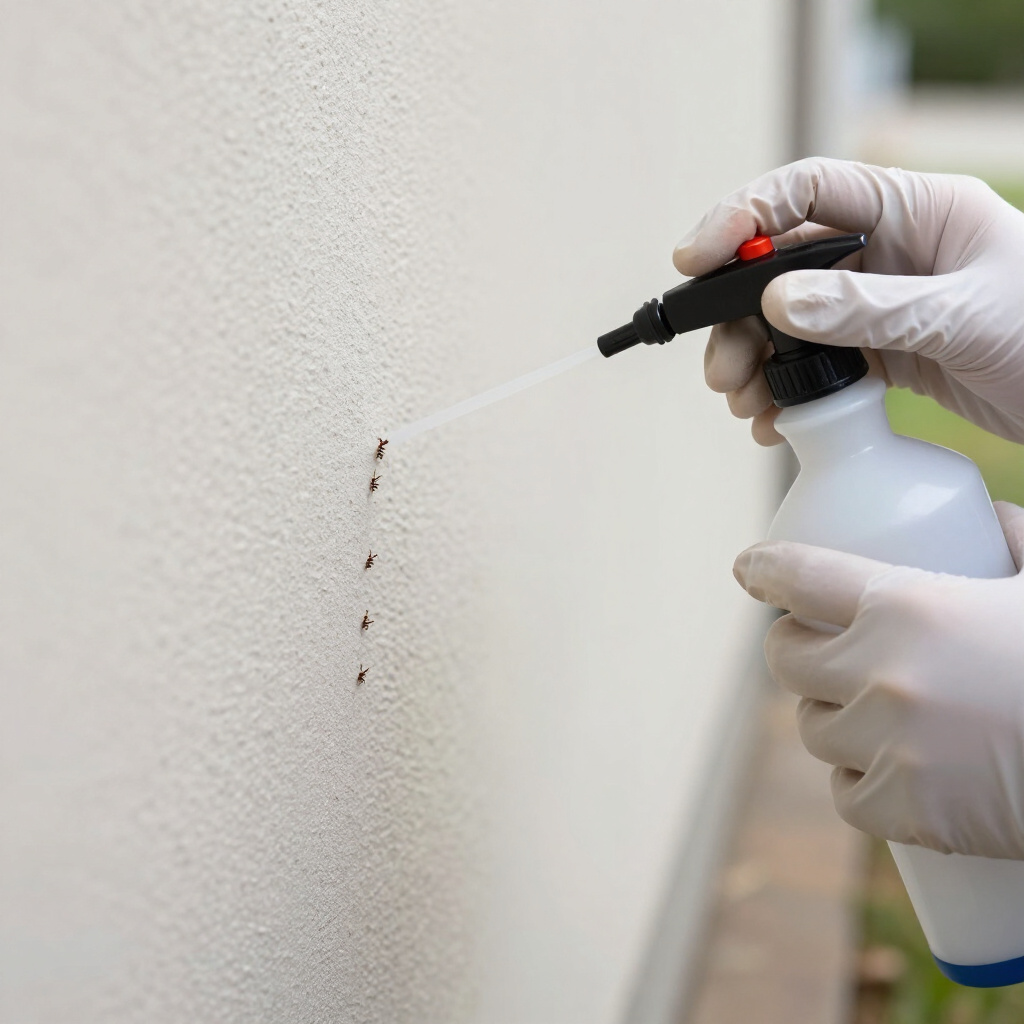
Treatments target the pest without disrupting the surrounding environment. For ant issues, we use perimeter barriers plus direct nest treatments rather than broadcast spraying. Rodent control combines interior trapping with exterior bait stations and exclusion work—sealing gaps around utility penetrations, garage door thresholds, and foundation joints. Seasonal programs adjust product selection and application timing to match what pests are actually active, not what a calendar suggests.
We also coordinate with homeowners on habitat modification: trimming vegetation from foundations, adjusting mulch depth, and addressing drainage that creates pest-friendly conditions. These steps matter especially in North Branch, where properties back directly to woods, wetlands, or working farmland.
Pest Control Services Available in North Branch
- General Pest Control — Ongoing protection against ants, spiders, wasps, and seasonal invaders with scheduled exterior treatments and interior coverage as needed.
- Rodent Control & Exclusion — Mouse and vole management combining trapping, baiting, and structural sealing to stop entry and reduce population pressure.
- Ant Control — Species-specific treatment for pavement ants, carpenter ants, and other structure-infesting species common to Chisago County.
- Stinging Insect Removal — Safe nest elimination for yellow jackets, hornets, and wasps, including ground-nesting colonies.
- Seasonal Invader Control — Targeted fall treatments for box elder bugs, Asian lady beetles, and cluster flies before they enter wall voids.
- Spider Control — Interior and exterior applications focused on harborages, with web removal and monitoring.
- One-Time & Emergency Service — Single-visit treatment for active infestations or urgent situations like interior wasp nests or sudden rodent activity.
Pest Control Pricing in the North Branch Area
Pest control costs in North Branch typically run comparable to other Chisago County markets, with some variation based on property size and surrounding land use. A standard quarterly maintenance program for a single-family home generally ranges from $300 to $550 annually, covering scheduled exterior treatments and callback visits between services.
One-time treatments for specific issues—ant trails, wasp nests, or spider problems—usually fall between $150 and $300 depending on infestation extent and treatment complexity. Rodent control programs start higher, often $250 to $400 for initial service with follow-up visits and exclusion work priced separately based on what sealing and repair is needed.
Homes on larger lots, those bordering woods or fields, or properties with outbuildings may require expanded coverage areas or additional bait stations, which increases cost. We assess each property individually rather than using flat-rate pricing that ignores these real differences in pest pressure.
Frequently Asked Questions
What pests are most active in North Branch during winter?
Mice are the primary winter concern, as field mice from surrounding agricultural and wooded areas move indoors seeking shelter. Overwintering box elder bugs and Asian lady beetles may also emerge inside on warm days, though they're not reproducing during this period.
How does living near farmland affect pest pressure?
Adjacent crop fields create seasonal mouse surges, particularly after harvest and before deep snow. Vole populations also fluctuate with field vegetation cycles. These pressures require more vigilant exterior monitoring and often earlier fall rodent prevention measures than in fully developed areas.
Are carpenter ants a serious problem in North Branch?
Yes. The combination of mature trees, humid summers, and homes with wood-to-ground contact or moisture issues makes carpenter ant infestations common. Unlike termites, carpenter ants don't eat wood but excavate galleries in decaying or moisture-softened timber, which can cause structural damage over time if nests persist.
How quickly can you respond to a wasp nest on my property?
Emergency stinging insect removal is typically available within 24 to 48 hours. Ground nests and aerial nests in high-traffic areas receive priority scheduling during peak season (July through September) when wasp aggression is highest.